

HCSGI
Updated Mon November 2, 2026
Published Under: CPAP & Sleep Therapy
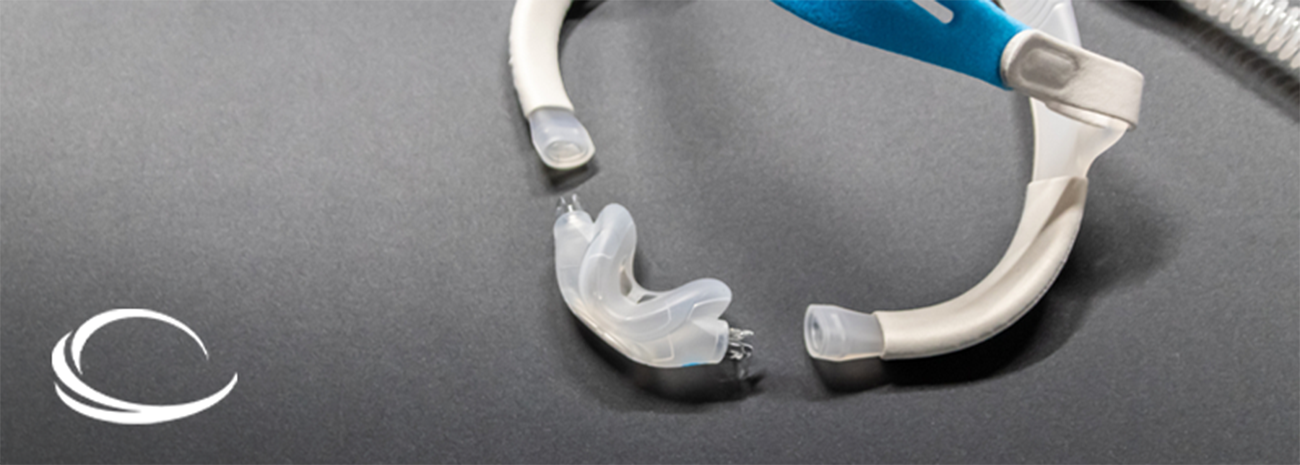
If you use continuous positive airway pressure, or CPAP, to treat sleep apnea, your mask, tubing, filters, and headgear work every night. While it’s easy to remember the machine itself, the replaceable parts connected to it can be overlooked.
Over time, mask cushions lose their shape, headgear stretches, filters collect dust, and tubing may develop wear. You may begin noticing leaks, noise, discomfort, or a mask that needs constant adjustment.
Knowing what to look for can help you address worn CPAP supplies before they become a nightly frustration.
Quick Answer
How do you know when CPAP supplies need to be replaced?
Your CPAP supplies may need attention if the mask starts leaking, the cushion becomes stiff or cracked, the headgear requires frequent tightening, the tubing develops damage, or a filter appears dirty or discolored.
Replacement timing depends on the component, manufacturer guidance, equipment condition, nightly use, and insurance coverage. Inspect your supplies regularly and contact your equipment provider if you’re unsure whether a part is worn or compatible with your setup.
On This Page
Use the links below to jump to a section:
Why Regular CPAP Supply Replacement Matters
CPAP supplies aren’t designed to last forever. Nightly use, regular cleaning, skin oils, moisture, and normal wear can all change how the parts fit and function.
A mask cushion that once formed a comfortable seal may flatten or stiffen. Headgear can stretch and require more tightening. Filters may become discolored or damaged. Tubing can develop cracks, tears, or areas that are difficult to clean.
Regular supply checks can help. Checking your supplies regularly can help you spot leaks, fit problems, damaged components, and parts that have become difficult to clean. Replacing worn supplies can also help keep your CPAP setup comfortable and functioning as intended.
A supply may still look usable at first glance even though it no longer fits or performs the way it once did.
What Happens When CPAP Supplies Wear Out?
Different parts create different problems as they age. The issue may start as an occasional leak or small fit change, then become more noticeable over time.
Your Mask May Start Leaking
A CPAP mask cushion creates the seal between the mask and your face. As the material ages, it may flatten, stiffen, crack, or lose its grip.
Signs of a mask leak may include:
- Air blowing toward your eyes
- Whistling or hissing sounds
- A mask that shifts during sleep
- Frequent adjustments
- Needing to tighten the headgear more than before
- Waking because the mask moved or became uncomfortable
A leak doesn’t always mean the cushion is worn. The mask may need to be repositioned, refitted, cleaned, or checked for compatibility with the equipment. If adjustments don’t help, contact your equipment provider before changing prescribed settings.
Headgear May Stretch
You may notice:
- The straps need frequent tightening
- The mask moves more than it used to
- The headgear no longer stays in position
- Tightening the mask creates pressure marks or discomfort
Overtightening isn’t a reliable fix for a worn cushion or stretched headgear. If you keep tightening the straps to control leaks, the mask and headgear may need to be inspected or replaced.
Tubing May Develop Wear
CPAP tubing carries air from the machine to the mask. Cracks, tears, loose connections, or damaged ends can allow air to escape.
Check the tubing for:
- Visible cracks or small holes
- Loose or damaged connectors
- Discoloration
- Stiffness or loss of flexibility
- Areas that remain difficult to clean
- Moisture or buildup that doesn’t clear with proper cleaning
Don’t repair damaged tubing with tape or an unapproved part. Ask your equipment provider which tubing is compatible with your machine.
Filters May Become Dirty or Damaged
CPAP filters help keep dust and other particles from entering the machine. Filter types and replacement instructions vary by device.
A filter may need attention if it is:
- Discolored
- Torn or damaged
- Visibly dirty
- Installed incorrectly
- Past the manufacturer’s recommended replacement point
Some filters are disposable, while others may have different care instructions. Follow the instructions for your specific machine rather than washing or reusing a filter that isn’t designed for it.
Worn Parts May Become Less Comfortable
A cushion that has stiffened or changed shape may leave more noticeable marks or feel different against the skin. Stretched headgear can also cause the mask to shift or require extra tightening.
Redness, soreness, or irritation can have several causes, including mask fit, cleaning products, skin sensitivity, trapped moisture, or worn supplies. Talk with your healthcare provider about ongoing skin problems, and ask your equipment provider to check the fit and condition of the mask.
Already Adjusting Your Mask Every Night?
If leaks, noise, or discomfort keep returning, it may be time to inspect the cushion, headgear, mask, and tubing rather than continuing to tighten the straps.
Browse CPAP and Sleep EquipmentSigns Your CPAP Supplies May Need Replacement
Take a closer look at your supplies if you notice:
• Air leaking around the mask
• A flattened, stiff, cracked, or discolored cushion
• Headgear that no longer stays snug
• Straps that require frequent tightening
• Cracked, torn, or discolored tubing
• Loose tubing connections
• A dirty, damaged, or discolored filter
• A mask that needs frequent repositioning
• New pressure marks or discomfort
• Odors that remain after proper cleaning
• A cloudy, cracked, or difficult-to-clean humidifier chamber
Worn supplies aren’t the only possible cause of fatigue. Feeling tired despite regular CPAP use can have many causes. If fatigue, daytime sleepiness, snoring, breathing interruptions, or other symptoms return, talk with your healthcare provider rather than assuming a replacement part will solve the problem.
When Should You Replace Each CPAP Part?
There isn’t one replacement schedule that applies to every CPAP setup. Timing varies based on the component, manufacturer guidance, nightly use, cleaning routine, visible wear, and insurance coverage.
Use this table as a quick reference, then follow the instructions for your specific equipment:
| CPAP Part | What It Does | Signs It May Need Attention |
|---|---|---|
| Mask cushion or nasal pillows | Creates the seal around or beneath the nose or around the nose and mouth | Recurring leaks, flattening, stiff or cracked edges, discoloration, discomfort, or loss of the usual seal |
| Mask frame | Holds the cushion or nasal pillows and connects to the headgear | Cracks, loose connections, damage, or a cushion that no longer stays securely in place |
| Headgear and chin straps | Helps hold the mask in position | Stretching, fraying, loss of elasticity, frequent tightening, or a mask that shifts during sleep |
| Tubing | Carries air from the machine to the mask | Cracks, holes, damaged connectors, stiffness, discoloration, leaks, or areas that remain difficult to clean |
| Filters | Helps keep dust and other particles from entering the machine | Visible dirt, discoloration, tears, damage, or reaching the manufacturer’s recommended replacement point |
| Humidifier water chamber | Holds water for the equipment’s humidification system | Cloudiness, cracks, leaks, pitted areas, discoloration, or mineral buildup that remains after approved cleaning |
Some filters are disposable, while others may have different care instructions. Don’t wash or reuse a filter unless the manufacturer says it is designed for that.
If your tubing is heated, confirm that the replacement tubing is compatible with your machine. Don’t repair damaged tubing with tape or another unapproved material.
The CPAP machine itself has a different service and replacement process. If the machine is damaged, unusually noisy, displaying an error, or not operating as expected, contact your equipment provider rather than opening it or attempting an internal repair.
If you’re unsure whether a part is worn, we can help you identify your equipment and review compatible replacement options. Don’t change prescribed settings to make up for a leak, poor fit, or damaged component.
Contact Us for CPAP Supplies Help
Cleaning and Replacement Work Together
Cleaning and replacement serve different purposes.
Cleaning
Cleaning helps remove oils, moisture, dust, and residue from components that are still in usable condition.
Replacement
Replacement addresses parts that have become damaged, stretched, cracked, difficult to clean, or unable to fit properly.
Follow the manufacturer’s instructions for:
- Which supplies should be cleaned
- How often they should be cleaned
- Which cleaning products are permitted
- Which parts should never be washed
- When individual parts should be replaced
Ask before trying a new cleaning method. Avoid unapproved cleaning products or devices that could damage the equipment. If you’re unsure how to clean a component, ask us before using a new method.
How We Can Help With CPAP Supplies
You don’t have to sort through masks, cushions, tubing, filters, and headgear on your own. We can help you identify the equipment you currently use, review compatible replacement options, and explain the ordering process that applies to your supplies.
Whether you need help with a mask, cushion, tubing, filter, headgear, or another component, have your machine and mask model available when you contact us. That information can help us understand your current setup.
Ready to Check Your CPAP Supplies?
Call 847-982-9880 or send us a message. Have your machine and mask model available if possible so we can better understand what you’re using.
Our team can help you identify your equipment, review compatible supply options, and explain the ordering process.
Ask About CPAP Supplies Browse Sleep EquipmentCommon Questions About CPAP Supply Replacement
How often should I replace my CPAP mask?
There isn’t one schedule that applies to every mask or insurance plan. Check the manufacturer’s guidance and inspect the cushion, frame, and headgear for leaks, cracks, stretching, discoloration, or changes in comfort. Contact your equipment provider when the mask no longer seals or fits as expected.
What happens if I don't replace CPAP tubing?
Worn tubing may develop cracks, holes, damaged connectors, or leaks. Tubing can also become stiff, discolored, or difficult to clean. Replace it according to the manufacturer’s instructions or sooner if it is damaged.
Can old CPAP supplies affect sleep?
Worn supplies may cause leaks, noise, discomfort, or frequent adjustments that interrupt sleep. However, poor sleep or daytime fatigue can have many causes. Contact your healthcare provider if symptoms persist or return.
How do I know my CPAP mask cushion needs replacement?
Look for flattening, stiffness, cracks, changes in color, recurring leaks, discomfort, or a seal that no longer improves after proper cleaning and repositioning. Don’t keep tightening the headgear to compensate for a deteriorating cushion.
Can worn CPAP supplies cause air leaks?
Yes. A worn cushion, stretched headgear, damaged tubing, loose connection, or cracked mask component may allow air to escape. Equipment fit and positioning can also cause leaks, so ask your provider to help identify the source.
Does insurance cover replacement CPAP supplies?
Coverage depends on the insurance plan, the supply, documentation requirements, and the timing of the request. Some plans use established replacement allowances, but those allowances aren’t universal recommendations for every patient. Check with your insurer and equipment provider before ordering.
Can I buy any CPAP mask or tubing for my machine?
Not necessarily. Masks, tubing, filters, humidifier chambers, and other parts must be compatible with your equipment and prescribed setup. Contact your equipment provider before purchasing a different component or using an off-brand replacement.
Should I change my CPAP settings if supplies are leaking?
No. Don’t change prescribed therapy settings to compensate for a mask or tubing problem. Check the equipment according to its instructions and contact your equipment provider for help. Questions about the prescribed pressure or treatment should go to your healthcare provider.
This article provides general educational information and isn’t medical advice. Follow the cleaning, maintenance, and replacement instructions for your specific CPAP equipment. Don’t change prescribed CPAP or bilevel settings without instructions from your healthcare provider.
Comments