

HCSGI
Updated Thu October 8, 2026
Published Under: Home Respiratory Care
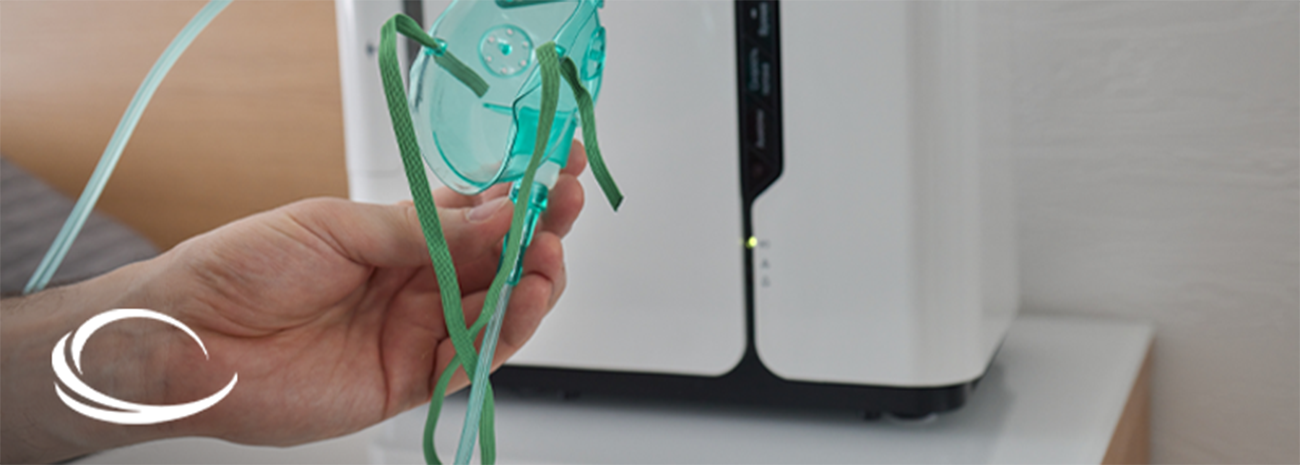
The delivery date is on the calendar, the discharge paperwork is on the counter, and someone in the house finally asks the practical question — where is this thing actually going to go?
Then come the follow-ups. Which outlet should we use? Where do the supplies live? Do we need to move the chair?
Those questions are worth answering before delivery day rather than during it. A little planning can make the setup visit smoother and give you more room to focus on the instruction, which is the part that matters most.
Quick Answer
How do I prepare my home for respiratory equipment?
Preparing your home for respiratory equipment starts with confirming the placement and power requirements for the specific device. You'll also want an organized supply area and a clear path for cords or tubing.
Before delivery, post important contact information, complete the required instruction, and discuss a backup plan with your clinical and equipment teams. Always follow the manufacturer's instructions, because setup requirements vary by device.
On This Page
Use the links below to jump to a section:
- Why home preparation is worth the time
- What to confirm before delivery
- Choosing an equipment location
- Power and backup planning
- Organizing cords and tubing
- Organizing respiratory supplies
- Equipment training
- Children, visitors, and pets
- What to expect on delivery day
- Preparation checklist
- How HCSGI helps
- Frequently asked questions
Why Is Home Preparation Worth the Time?
New respiratory equipment may come with delivery, setup, instruction, supplies, and a new daily routine layered on top of everything else the household is managing.
When the space is already sorted out, the delivery appointment can stay focused on learning how the device works instead of on rearranging furniture and hunting for an outlet.
Preparation also cuts down on the small questions that tend to surface at 9 p.m. on the first night. Knowing where the manual is, which number to call, and where the extra supplies are kept saves real time later.
What Should You Confirm Before Delivery?
Before anything arrives, confirm the logistics with your equipment provider. Ask what's being delivered, who is bringing it, and what the setup visit includes.
It also helps to know whether any part of the setup depends on you, such as clearing a specific area or having a particular household member present.
If you're coming home from a hospital or rehabilitation stay, the discharge team and the equipment provider often coordinate directly, and it's reasonable to ask how that hand-off works.
How Should You Choose an Equipment Location?
Placement depends on the device you're getting. A stationary oxygen concentrator, AIRVO system, ventilator, CPAP or BiPAP device, cough assist device, and suction machine each have their own requirements.
As you look at possible spots, walk through these questions with your equipment team:
- Does the device require clearance around air intakes or vents?
- Does it need a firm, stable surface?
- Should it remain away from heat, moisture, dust, or cooking areas?
- How close should it be to the person using it?
- Can it be accessed for cleaning and routine maintenance?
- Is the equipment outside the room's main walking path?
The manufacturer's instructions and your equipment provider should guide the final placement.
Before moving equipment after setup, check the instructions or contact the provider. Some placement requirements may not be obvious by looking at the device.
What Should You Know About Outlets and Backup Power?
Power planning is one of the more device-specific parts of preparation, so this is a conversation to have with your equipment provider rather than a decision to make on your own.
Ask these questions before delivery:
- Which outlet should be used?
- Are there electrical requirements we need to know?
- Should the equipment connect directly to a wall outlet?
- Are extension cords or power strips prohibited?
- Does the device have a battery?
- What affects the battery's expected runtime?
- How should batteries be charged and stored?
- Which equipment must continue operating during an outage?
- What backup plan applies to this person and equipment?
Backup planning looks different for a person using a ventilator than it does for someone using a CPAP device. Follow the plan developed with your clinical and equipment teams.
Have questions before equipment delivery?
Our respiratory team can explain more about placement, electrical requirements, and setup.
Contact Our Respiratory TeamHow Can You Keep Cords and Tubing Organized?
Oxygen tubing and power cords tend to travel farther through a home than people expect. Before delivery, picture the path from the device to where the person actually spends time, and look at what that path crosses.
Keep tubing and cords out of doorways and off main walkways where possible. Watch for spots where a cord could get pinched under a door, caught in a recliner mechanism, rolled over by a walker, or pulled by a pet.
Sharp bends and kinks in tubing are worth noticing too.
Don't shorten, extend, or reroute tubing in a way that isn't covered by the manufacturer instructions, and check with your provider before adding accessories that didn't come with the device.
How Should You Organize Respiratory Supplies?
Pick one clean, dry, accessible spot for supplies. A closet shelf, a dresser drawer, or a labeled bin all work as long as it's easy to reach and away from moisture and heat.
Helpful habits include:
- Keeping frequently used supplies within easy reach
- Storing manufacturer instructions and quick-reference guides nearby
- Separating clean, unopened supplies from used items
- Recording reorder instructions and contact information
- Checking expiration dates when applicable
- Posting equipment-provider and emergency contact numbers where they can be found quickly
Ask your equipment provider how much backup stock should be kept. Appropriate quantities vary by equipment, supply type, individual needs, and coverage. If you have questions about replacement supplies or HCSGI's reorder process, contact our respiratory team.
Who Should Complete Equipment Training?
Anyone who will handle the equipment should complete the instruction your clinical or equipment team requires. That may include the patient, a spouse or adult child, or another regular caregiver.
Training usually covers day-to-day operation, cleaning, alarm response, and when to call for help. It's fine to ask questions more than once, to take notes or photos of the setup, and to ask whether follow-up instruction is available after the first visit.
How Should You Prepare Children, Visitors, and Pets?
Households with kids and pets just need a few simple ground rules in place before the equipment arrives.
- Keep cords and tubing from becoming toys or tripping hazards.
- Ask household members not to move, unplug, or cover the equipment.
- Make sure everyone understands the oxygen and fire-safety rules that apply.
- Post simple instructions explaining whom to contact with questions.
- Store supplies where children and pets cannot disturb them.
Oxygen supports combustion, even though oxygen itself is not flammable.
When oxygen is used in the home, follow the oxygen supplier's instructions and keep it away from smoking, flames, heat, and other ignition risks.
What Should You Expect on Delivery Day?
The delivery and setup process depends on the prescribed equipment and HCSGI's arrangements for that device.
Generally, though, plan for the setup visit to take some time. A technician or respiratory therapist typically places the equipment, confirms it's working, reviews operation and cleaning, goes over alarms, and leaves written materials behind.
Before the appointment, ask:
- Who will deliver and set up the equipment?
- How much time should we allow?
- Who should be present for instruction?
- Which supplies and accessories are included?
- What operation, cleaning, and alarm information will be reviewed?
- Which written materials will we receive?
- How will replacement supplies be ordered?
- What number should we call with questions?
- Is follow-up instruction available?
Have the planned space clear and the appropriate outlet accessible. Keep a notepad nearby so you can record questions and contact instructions.
Home Respiratory Equipment Preparation Checklist
Use this checklist as a starting point, then follow the instructions for your specific equipment.
☐ Delivery date and provider contact confirmed
☐ Delivery and setup process discussed
☐ Equipment location reviewed
☐ Appropriate outlet identified
☐ Airflow and clearance requirements understood
☐ Cord and tubing route planned
☐ Supply-storage area prepared
☐ Manufacturer instructions kept nearby
☐ Equipment-provider and emergency contact numbers posted
☐ Required equipment instruction scheduled
☐ Backup equipment and outage plan discussed
☐ Children, visitors, and pets considered
☐ Follow-up process confirmed
How HCSGI Helps With Home Respiratory Equipment
Health Care Solutions Group provides home respiratory equipment and support throughout the Chicagoland area. Our services include equipment instruction, manuals, monitoring, data downloads, and reports to referring physicians.
Depending on the prescription, our equipment may include /oxygen-systemshome oxygen systems, AIRVO, ventilators, CPAP and BiPAP devices, cough assist devices, and AffloVest therapy. You can also explore our broader respiratory assist devices and in-home respiratory services.
Preparing for equipment delivery?
If you have questions about preparing for prescribed respiratory equipment, contact us before delivery day.
Contact Us TodayOr call us at 847-982-9880
Frequently Asked Questions
Where should respiratory equipment be placed at home?
Placement depends on the device. The appropriate location may be based on airflow, surface stability, power requirements, and distance from heat, moisture, dust, or busy walkways. Follow the manufacturer's instructions and confirm the location with the equipment provider.
Can I use an extension cord with respiratory equipment?
Follow the power instructions for your specific device. Some respiratory equipment must connect directly to an appropriate wall outlet, and extension cords or power strips may be prohibited. Confirm the requirements with the equipment provider before delivery.
What should I have ready before oxygen equipment is delivered?
Prepare a possible equipment location, make the appropriate outlet accessible, and create a clear route for tubing. Set aside space for supplies, and have anyone who requires instruction available for the setup appointment.
What should I do if the power goes out?
Follow the outage plan created with your clinical and equipment teams. The appropriate response depends on the prescribed equipment, the person's needs, and any backup equipment included in the individual plan. Keep contact numbers and written instructions available.
Who should I call if the equipment alarms?
Follow the alarm instructions provided for the specific device. Confirm during setup which number to call during regular hours and how to contact HCSGI after hours. If the person using the equipment has signs of a medical emergency, follow the individual emergency plan and call 911.
Comments