

HCSGI
Updated Thu October 8, 2026
Published Under: Oxygen Therapy Portable Oxygen Concentrators
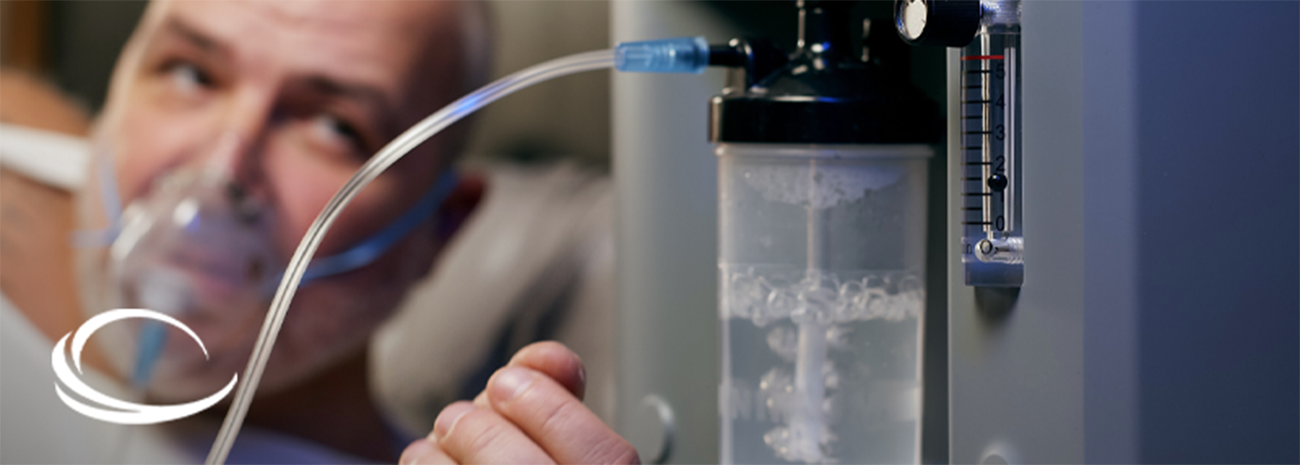
You're in the kitchen and you hear it from the next room… a steady beep coming from the oxygen concentrator. Or maybe an unfamiliar light is on that you haven't noticed before, and nobody in the house is sure what it means.
It's a common moment for home oxygen users and the family members helping them, and it's worth knowing how to respond before it happens.
An alarm is the device telling you something needs attention. Sometimes that's something simple and outside the machine, like a cord that came loose. Sometimes it's something only your equipment provider can sort out.
Below, we'll walk you through a few safe checks to make, who to call, and how to tell when the situation is about the person rather than the equipment.
Quick Answer
What should I do if my oxygen concentrator is beeping?
Read the display or indicator and check the instructions for your specific model. Complete only the external checks permitted by those instructions, and don't change your prescribed oxygen settings.
If the alarm continues or you can't identify what it means, contact your equipment provider. If the person using oxygen shows signs of a medical emergency, follow the individual emergency plan and call 911.
On This Page
Use the links below to jump to a section:
Why Do Oxygen Concentrators Beep?
Concentrators are designed to alert you when the device detects a condition that needs attention. Depending on the model, an oxygen concentrator alarm may relate to power, airflow through the unit, equipment performance, oxygen output, battery status, or routine maintenance.
Alarm meanings aren't standard across devices. Two concentrators can use different sounds, light colors, or messages for different conditions. Manufacturer manuals provide model-specific alarm definitions and response instructions, which is why the instructions that came with your device should be the first place you look.
Our respiratory team can also explain the alarms specific to your equipment during setup or follow-up.
What Should You Check When an Oxygen Concentrator Is Beeping?
Start with the external checks included in the instructions for your specific concentrator. The following are common examples, but not every step applies to every model.
- Read the display or indicator. Note the exact message, code, light, or alarm pattern before doing anything else. This is the single most useful information you can give us when you call.
- Confirm the power cord is fully connected. Check the connection at the unit and the wall if your device instructions direct you to do so.
- Check whether the outlet has power. Follow the model-specific instructions without changing how the concentrator was originally connected.
- Look at the space around the unit. Check for furniture, drapes, bedding, or other items interfering with the airflow clearance required by the manufacturer.
- Inspect the visible tubing. Look for bends, pinches, kinks, or disconnected sections. Don't change the tubing length, connections, or accessories unless your equipment instructions or respiratory team directs you to do so.
- Make sure the concentrator isn't covered. Keep the device away from heat and direct sunlight according to its operating instructions.
- Review the model-specific manual. Find the instructions for the particular light, message, or alarm pattern you see.
- Follow your established backup plan. If your individual care plan tells you to use prescribed backup oxygen for this alarm or equipment condition, follow that plan.
If a check doesn't apply to your device, skip it. Your equipment instructions and individual care plan take priority over any general list.
Still hearing the alarm?
If the alarm continues or you can't identify the message, contact our respiratory team with the concentrator model and the information shown on the display. Don't change prescribed oxygen settings while troubleshooting.
Contact Our Respiratory TeamWhat Shouldn't You Do When the Alarm Sounds?
A few things are worth avoiding, even when the beeping is wearing on everyone:
✕Don't change the prescribed oxygen flow to try to quiet an alarm. Flow settings come from the prescribing provider.
✕Don't ignore, silence, or reset an alarm unless the instructions for your specific model direct you to do so.
✕Don't open the unit or attempt internal repairs. Contact the equipment provider for assistance.
✕Don't use parts, tubing, adapters, or accessories that haven't been approved for your equipment.
✕Don't delay emergency care while troubleshooting. If the person using oxygen is showing signs of a medical emergency, follow the emergency plan and call 911.
When Should You Call Your Equipment Provider?
Call us when the question is about the equipment. Examples may include:
- An alarm that continues after completing the model-specific checks
- A display message or indicator you can't identify
- A concentrator that won't power on
- Visible damage to the equipment or external tubing
- Supplies that need replacement
- Questions about how the device should operate
- Any equipment concern you're unsure how to handle
You don't need to diagnose the problem before calling. Describing what you see and hear is enough.
You can also learn more about our in-home respiratory services and browse our home oxygen systems. HCSGI carries both stationary and portable concentrators and other oxygen-related systems.
When Does a Change in the Patient's Condition Require Help?
Equipment problems and changes in the person's condition may need to be handled by different members of the care team.
Equipment Questions
We can answer questions about the concentrator, alarm, external tubing, supplies, and available equipment support.
Changes in the Person
Changes in breathing, color, alertness, chest comfort, or response to therapy should follow the clinical and emergency plan from the healthcare team.
That plan is specific to the individual. Follow the instructions explaining which changes require a call to the clinical team and which require emergency services.
Never delay emergency care to continue troubleshooting the equipment.
If you don't have written instructions explaining whom to contact in different situations, ask the prescribing provider for them.
How Can You Prepare Before an Alarm Happens?
A little setup ahead of time makes the moment much easier to handle:
- Keep the user manual near the concentrator.
- Post the equipment provider's and clinical team's contact information nearby.
- Know where prescribed backup equipment is stored and when the individual care plan directs you to use it.
- Keep replacement tubing and approved supplies organized.
- Make sure caregivers know whether to call the equipment provider, clinical team, or emergency services.
- Include oxygen equipment in the household's power-outage plan.
What to Have Ready When You Call
Having this in front of you speeds up the conversation considerably:
☐ Patient's name
☐ Concentrator manufacturer and model
☐ Exact display message, code, or indicator
☐ Alarm pattern, such as steady, intermittent, or repeating
☐ Time the alarm started
☐ Whether the device appears to have power
☐ Any visible problem with the external tubing
☐ Whether the patient's condition has changed
☐ Checks already completed according to the manual or care plan
How We Support Home Oxygen Patients
Health Care Solutions Group provides home oxygen systems along with instruction on how to use the equipment your physician has prescribed. Our credentialed respiratory therapists monitor patient progress and tolerance to therapy and provide reports to the referring provider, so your care team stays informed about how therapy is going at home.
HCSGI's oxygen equipment includes portable and stationary concentrators designed to support different prescribed oxygen needs.
If something about your equipment or its instructions isn't clear, contact us rather than guessing.
Need help with your oxygen equipment?
Our respiratory team is here to answer questions about your concentrator, alarms, tubing, and supplies.
Get Help With Oxygen EquipmentOr call us at 847-982-9880
Frequently Asked Questions
Why is my oxygen concentrator beeping?
An oxygen concentrator beeps when it detects a condition that needs attention. The specific meaning depends on the manufacturer and model, so check the display and the device instructions. Contact your equipment provider if the message isn't clear.
What should I do if my oxygen concentrator alarm won't stop?
Note the display message and alarm pattern, then complete only the external checks included in the instructions for your model. Contact the equipment provider if the alarm continues. If the person using oxygen has signs of a medical emergency, follow the individual emergency plan instead of continuing to troubleshoot.
Can I keep using an oxygen concentrator while it is alarming?
That depends on what the alarm means for the specific device. Follow the manufacturer's instructions and the guidance provided by the clinical and respiratory equipment teams. Don't assume that continued use is appropriate while an alarm remains active.
What does a red or yellow light on an oxygen concentrator mean?
Indicator colors aren't standardized across all oxygen concentrators. A red or yellow light may have different meanings on different models, so check the device manual and note any message displayed. Contact the equipment provider if you can't determine the appropriate response.
Should I change the oxygen setting when the concentrator alarms?
No. Your oxygen flow is prescribed, and changing that setting isn't an appropriate way to respond to an alarm. Leave the setting as prescribed and contact the equipment provider for help.
Comments